
🌿 10 Medicinal Plants Every Beginner Should Start With

If you're just getting started with medicinal plants, you don’t need to learn hundreds of herbs. You don’t even need a garden. You just need a small handful of plants that are safe, easy to find, and simple to use in everyday life.
These 10 herbs are the perfect starting point. They’re affordable, beginner-friendly, and widely used in traditional herbal practices around the world. The goal isn’t to overwhelm you—it’s to help you build confidence one plant at a time.
Let’s dive in.
1. Chamomile: The calming classic
Chamomile is one of the gentlest herbs you can start with. Most people know it as a bedtime tea, but it’s also a great herb for soothing the mind and supporting digestion.
You can use it as
- a simple evening tea
- a calming bath soak
- a gentle herbal rinse
If you’re looking for a relaxing herb to begin your journey, chamomile is an easy win.
2. Peppermint: The refreshing all-rounder
Peppermint is loved for its cooling, uplifting aroma. It’s commonly used in teas after meals or during tense moments when you need a little comfort.
Simple ways to use it:
- hot peppermint tea
- cold “mint water”
- diffusing peppermint oil (never apply undiluted oil to skin)
It’s one of the easiest herbs to love.
3. Ginger: Warm and energizing
Ginger root is a powerful kitchen herb with a long history in traditional wellness. It’s warm, spicy, and great in teas, soups, or even added to smoothies.
People often enjoy ginger:
- during cooler months
- after heavy meals
- in warming drinks with lemon and honey
- A little goes a long way.
4. Lavender: Relaxation in plant form
Lavender is best known for its calming scent. It’s commonly used in aromatherapy, teas, or in DIY oils and balms.
Great uses include:
- lavender tea
- adding a few drops of diluted essential oil to a diffuser
- relaxing bath salts
It’s a perfect herb for creating a peaceful environment.
5. Turmeric: The golden root
Turmeric has become extremely popular thanks to its active compound, curcumin.
People often use turmeric:
- in cooking
- in warm drinks like “golden milk”
- as a tea with black pepper
It’s one of the most versatile plants you can start with.
6. Lemon Balm: Bright, uplifting, gentle
This lemon-scented herb has a long history of use in calming teas and herbal blends. It’s one of the easiest herbs to grow at home too.
Most people enjoy lemon balm:
- in evening teas
- mixed with chamomile or lavender
- in iced herbal drinks
The flavor is light and refreshing.
7. Echinacea: seasonal herbal companion
Echinacea is a well-known herb often used during seasonal changes.
It’s commonly prepared as:
- teas
- tinctures
- herbal blends
It’s usually used for short periods, especially during colder months.
8. Rosemary: Clarity and focus
Rosemary is more than a kitchen herb—it’s also traditionally used to support focus and alertness.
People often use rosemary:
- in teas
- in infused oils
- in cooking to support digestion
The aroma alone can feel refreshing.
9. Calendula: Gentle skin-soothing flower
Calendula’s bright orange petals are popular in DIY skin salves, oils, and balms.
People use calendula for:
- soothing skin
- mild topical rinses
- homemade ointments
It’s one of the easiest herbs to infuse into oil.
10. Aloe Vera: Simple and beginner-friendly
Aloe is the plant almost everyone recognizes. The gel inside the leaves has been traditionally used for cooling and moisturizing the skin.
Common uses:
- fresh gel applied to skin
- aloe-based lotions
- cooling after-sun gel
Just remember: the yellow latex inside the outer leaf is not the same as the clear gel.
🌱 Final Thoughts
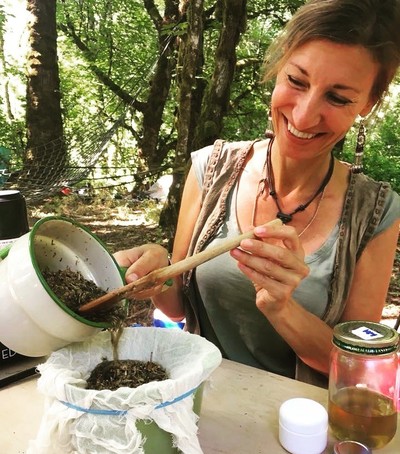
Just pick one or two herbs from this list and experiment with simple teas, infusions, or basic preparations. The more you explore, the more confident you’ll become.
Herbal learning grows naturally—one plant at a time.

.png)
