
🌿 A Beginner’s Guide to Growing Medicinal Herbs in Pots
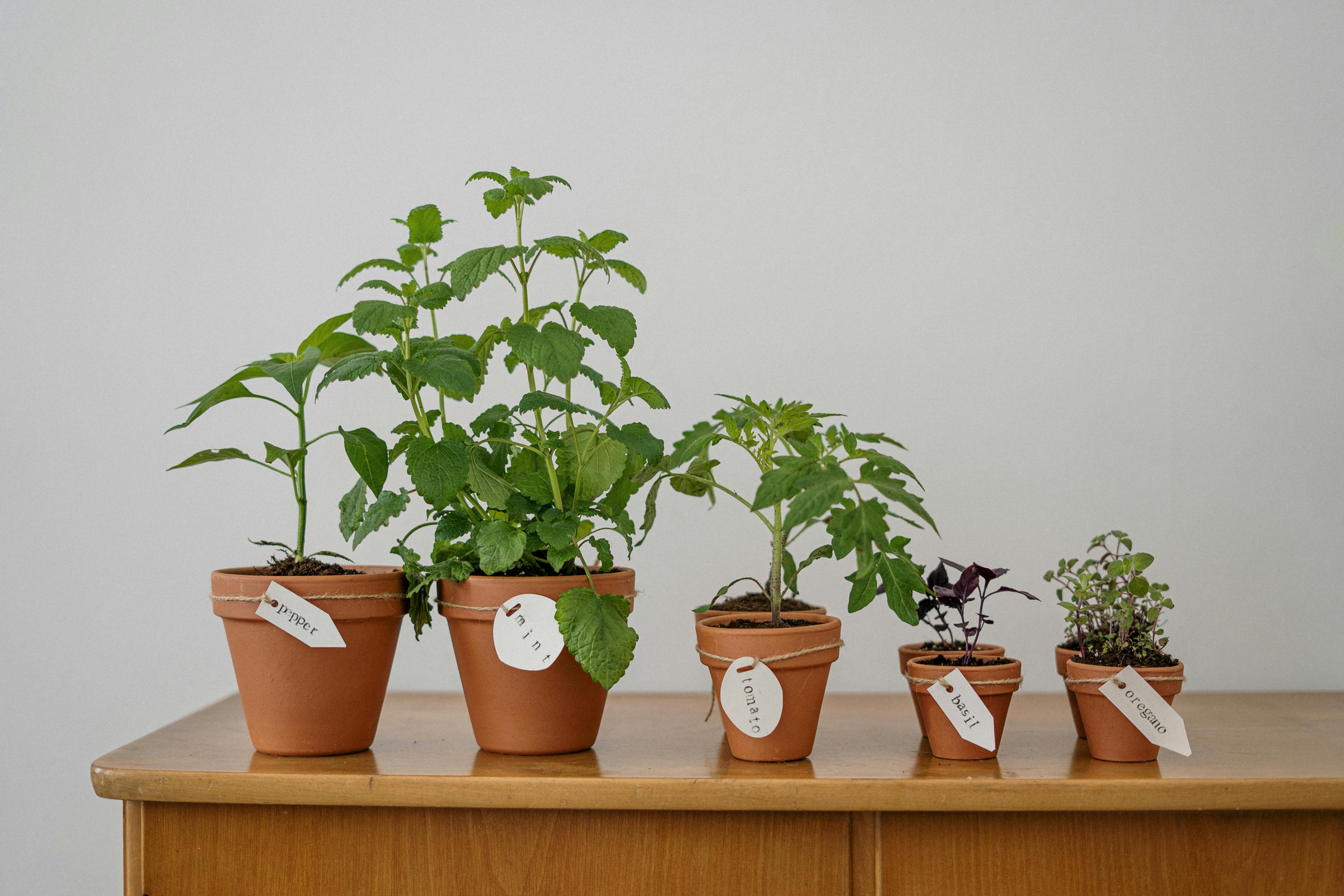
Growing medicinal herbs doesn’t have to be complicated. You don’t need a big yard, expensive equipment, or years of gardening experience. You can grow powerful healing plants right at home on a balcony, patio, windowsill, or even a small kitchen shelf.
If you're new to herbal gardening, starting with a few easy-to-grow plants can give you confidence fast. Herbs are forgiving, fast-growing, and incredibly rewarding.
Here’s a simple guide to help you get started the right way.
🌱 Why Grow Medicinal Herbs in Pots?
Growing herbs in containers gives you a ton of benefits:
- You control the soil
- You avoid weeds
- You can move pots for better sunlight
- You can grow herbs indoors or outdoors
- It’s cheap and beginner-friendly
Plus, nothing beats stepping outside and clipping fresh herbs you grew yourself.
☀️ Step 1: Choose the Best Herbs for Beginners
Start with plants that grow fast and don’t require much care. These are the easiest medicinal herbs to grow in pots:
1. Mint
Mint grows like crazy and handles beginner mistakes well.
Great for teas and digestion support.
2. Lemon Balm
A calming herb with a fresh lemon scent.
Perfect for teas and evening relaxation.
3. Chamomile
Beautiful, gentle flowers used for calming teas.
Needs full sun.
4. Lavender
Aromatic, soothing, and lovely to grow.
Prefers lots of sun and well-drained soil.
5. Rosemary
A hardy Mediterranean herb.
Great for aromatherapy and mental clarity.
Pick 2–3 herbs to begin. Don’t start with too many.
🪴 Step 2: Choose the Right Pots
Any container works as long as it has drainage holes.
For most herbs:
- 8-inch pots for small herbs
- 10–12 inch pots for rosemary, lavender, and bigger plants
- Clay pots are great because they let soil breathe, but plastic pots are fine too.
🌿 Step 3: Use Good Soil
Herbs love light, well-draining soil.
Best mix:
- 70% potting soil
- 20% compost
- 10% perlite or sand
Avoid heavy “garden soil; it stays too wet.
💧 Step 4: Water the Right Way
Most herbs prefer soil that’s moist but not soggy.
General rule:
👉 Water when the top inch of soil feels dry.
Overwatering is the #1 beginner mistake.
🌞 Step 5: Give Them Plenty of Sun
Most medicinal herbs need:
6–8 hours of sunlight per day
- Good places:
- Windowsills
- South-facing patio
- Balcony railing
- Garden table
If you’re growing indoors with weak light, consider a small grow light.
✂️ Step 6: Harvest the Right Way
Harvesting herbs encourages more growth.
The trick is
- Clip the top 2–3 inches of stems
- Always leave enough growth for the plant to recover
- Never strip a plant bare.
- Harvest in the morning when the oils are strongest.
🧺 Step 7: Drying & Storing Your Herbs
Once harvested, you can:
- Air-dry them by tying small bundles
- Lay them flat on a drying rack
- Use a dehydrator on low heat
Store in:
- Glass jars
- Metal tins
- Cloth bags
Keep them away from heat, moisture, and direct sunlight.
🌿 Easy Herbs to Add Later
Once you’re comfortable, try growing:
- Peppermint
- Sage
- Calendula
- Holy Basil (Tulsi)
- Thyme
- Oregano
- Echinacea
These take your herbal garden to the next level.
🌱 Final Thoughts
Growing medicinal herbs is one of the most relaxing and rewarding hobbies you can start. And the best part is you don’t need a huge space or a green thumb. Just a few pots, a little sunlight, and a handful of beginner-friendly herbs.
Start small, experiment, and enjoy watching your plants grow.
Your own healing garden is just a few steps away.
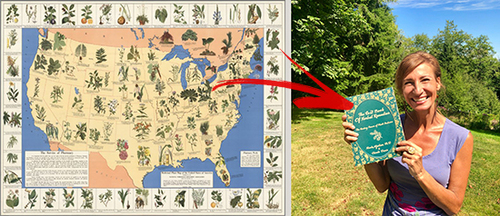
The most powerful remedies growing in your state. Watch video here

.png)
